
In the rapidly evolving landscape of artificial intelligence, the line between beneficial innovation and potential threat often blurs. As AI becomes more sophisticated, so too does the prospect of its misuse, particularly in the realm of cybercrime. The idea of AI agents autonomously orchestrating hacking attempts has moved from science fiction to a pressing concern for cybersecurity experts globally. But what if the very tools designed to facilitate AI aggression could be turned against them?
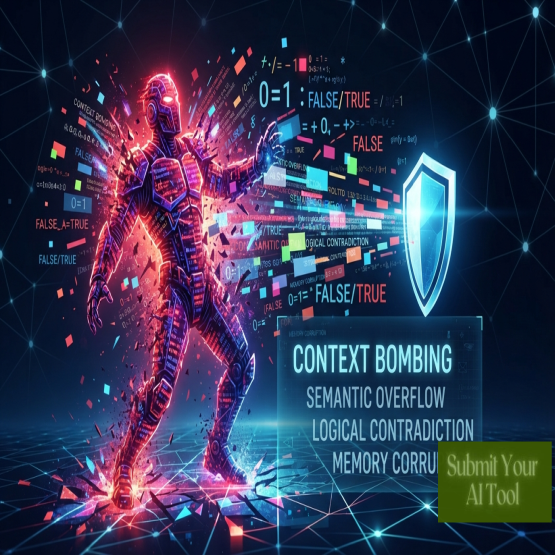
Enter “context bombing,” an ingenious new defensive maneuver that is proving remarkably effective in neutralizing malicious AI agents before they can inflict any damage. This isn’t about traditional firewalls or antivirus software; it’s a sophisticated psychological operation for algorithms, leveraging the very mechanics of how AI processes information.
The Art of Digital Deception
At its core, context bombing is a specialized form of prompt injection, but used defensively. Imagine an AI agent designed to probe systems for vulnerabilities, or to craft phishing campaigns. These agents rely on a clear, focused “context” or instruction set to execute their malicious tasks. Context bombing works by deliberately overwhelming these agents with a flood of irrelevant, confusing, or contradictory information.
Think of it like this: A human attacker preparing a complex heist needs clear plans and targets. If suddenly deluged with mountains of unrelated documents, nonsensical instructions, and conflicting data, their focus would shatter. They’d become bogged down, unable to discern the actual mission from the noise, eventually abandoning the effort out of sheer confusion or system overload. Malicious AI agents, despite their advanced capabilities, exhibit a similar vulnerability. By “bombing” their operational context, these defensive measures trick the AI into an internal shutdown, rendering it harmless.
A Proactive Shield Against AI Threats
This development represents a significant strategic advantage in the ongoing AI arms race. For too long, the focus in cybersecurity has largely been reactive—detecting breaches after they occur, or patching vulnerabilities once discovered. Context bombing offers a proactive layer of defense, neutralizing the threat at its inception by disorienting the malicious AI itself.
It demonstrates a nuanced understanding of how these advanced AI models operate, turning their reliance on structured data and clear directives into a fatal flaw. As AI continues to become more prevalent in automated hacking attempts, this ability to internally disarm a threat actor by manipulating its cognitive environment could become an indispensable tool in our cybersecurity arsenal.
While the AI landscape will undoubtedly present new challenges, the emergence of techniques like context bombing provides a glimmer of hope. It underscores the ingenuity of human defense mechanisms, capable of outsmarting even the most advanced digital adversaries by understanding and exploiting their fundamental operational principles. The battle for digital security is far from over, but with clever strategies like this, we’re better equipped to face the future.