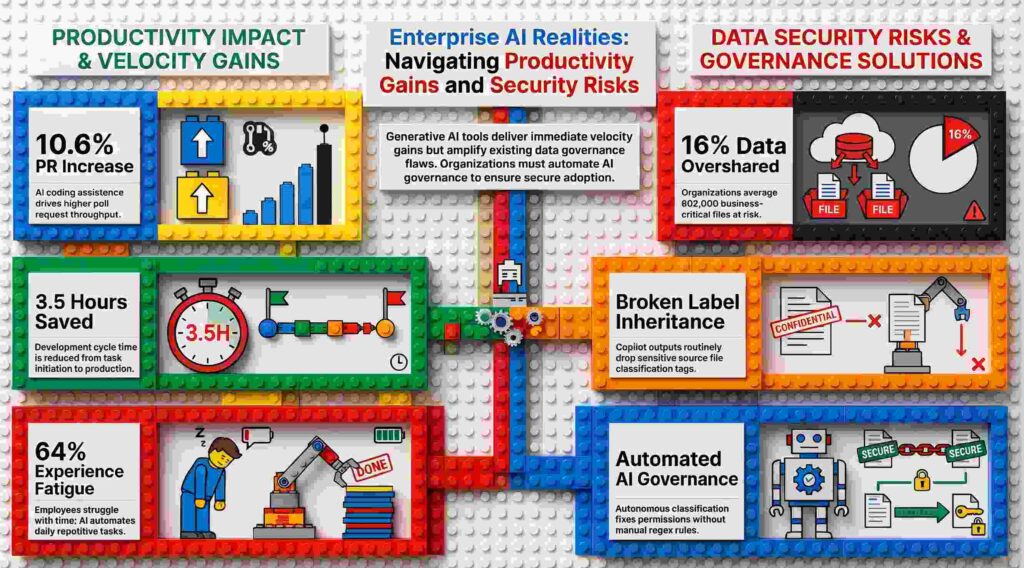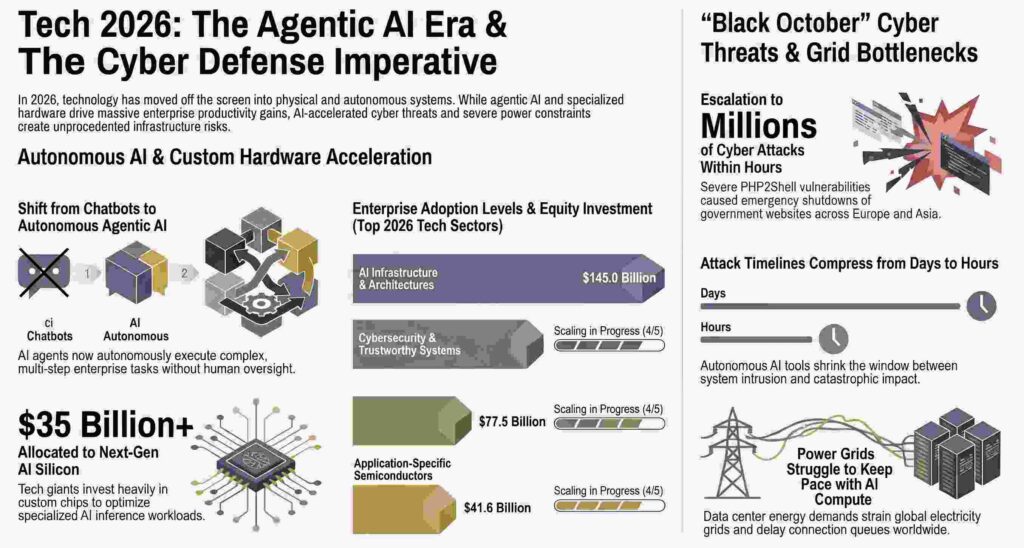

Remember when artificial intelligence was mostly about watching a chat window spit out a polite paragraph or asking an image generator for a cyberpunk cat? That phase is well behind us.
By November 2026, the novelty has evaporated. The tools actually commanding attention right now aren’t just responsive chatbots; they are quiet, deeply integrated digital collaborators. They edit files directly on your desktop, audit entire repos without blinking, and turn half-formed thoughts into working software.
Here is an honest, hype-free rundown of the top 20 AI tools people are actually using and talking about this month.
The All-Round Powerhouses & Researchers
1. Claude & Claude Cowork
Anthropic made a massive leap by taking AI out of the isolated browser window. With Cowork and Anthropic’s agentic architecture, Claude can open local folders, refactor messy spreadsheets, edit documents directly on your desktop, and save them back cleanly. It feels less like an assistant you prompt and more like a dependable junior partner you delegate entire tasks to.
2. ChatGPT
OpenAI’s flagship remains the universal Swiss Army knife. Whether you are working with its versatile voice agent, sketching out complex ideas, or leveraging multi-step reasoning modes, ChatGPT continues to be the daily default workspace for millions.
3. Google Gemini & Gemini Omni
For anyone tied to Google Docs, Sheets, and Gmail, Gemini has practically dissolved into the operating background. Its native multimodal architecture handles long document contexts, video snippets, and voice naturally.
4. Perplexity
Perplexity has replaced traditional search for serious research. Instead of wading through sponsored links and SEO spam, Perplexity synthesizes live sources, provides inline citations, and digs through verified academic and industry data.
5. Gemini Notebook (formerly NotebookLM)
Grounding AI purely in your own sources is a superpower. Notebook lets you upload product manuals, research PDFs, and interview transcripts, producing cited summaries and conversational audio breakdowns without hallucinating outside your material.
Coding & Autonomous Building
6. Cursor
Cursor has redefined the code editor. Built from the ground up around agentic AI, it understands your full codebase context. Developers use it not just for tab-autocomplete, but to orchestrate full-feature refactors and multi-file changes with simple instructions.
7. Claude Code
Running natively in your terminal, Claude Code handles repo exploration, git commits, bug hunts, and dependency updates without needing a heavyweight graphical interface. It’s become a developer darling for autonomous, scriptable engineering.
8. Lovable
The gap between an idea and an interactive web app has collapsed. Lovable lets product managers and founders build production-grade web interfaces and full-stack software simply by describing workflows in plain language.
9. GitHub Copilot
Still the backbone of enterprise engineering teams, Copilot blends tightly into GitHub pull requests, code reviews, and enterprise compliance setups.
10. Replit Agent
Replit’s agent takes care of the friction of building software: spinning up databases, configuring environments, writing frontend code, and deploying live links in one smooth loop.
Creative Media, Video & Audio
11. Midjourney
When pure visual aesthetics, lighting nuance, and artistic direction matter, Midjourney is still unmatched. It’s widely used by designers and creative directors for rapid early-stage concept validation and mood boards.
12. Google Veo & Flow
Video generation finally feels coherent. Veo’s motion fidelity and integrated sound design have made high-resolution cinematic clip creation practical for storyboarding and social campaigns.
13. Kling AI
Kling has earned praise among creators for handling realistic physics and human motion without the rubbery morphing artifacts that plagued earlier video generators.
14. ElevenLabs
ElevenLabs continues to dominate synthetic speech. Its uncanny emotional cadence, voice cloning, and zero-latency conversational voice engine power everything from dynamic audiobooks to customer support bots.
15. Descript
Descript remains a lifesaver for video and podcast creators. By letting you edit video simply by editing the text transcript—removing filler words, awkward silences, and bad takes with a backspace—it turns hours of editing into minutes.
Productivity, Meetings & Automation
16. Granola
Granola takes a grounded approach to meeting notes. Instead of an intrusive bot dialling in, it quietly transcribes your audio and enriches your rough handwritten bullet points into clean, structured summaries and actionable follow-ups.
17. Notion AI
Rather than building an isolated chatbot, Notion layered AI directly into everyday team wikis and project boards. It drafts, auto-fills database properties, and searches across cross-team company knowledge without breaking your focus.
18. Wispr Flow
Voice dictation has finally matured. Wispr Flow sits in the system tray across Mac and Windows, letting you speak naturally while it automatically formats, removes stutters, and pastes polished prose into any text field.
19. n8n
For technical teams wary of closed automation systems, n8n has become the go-to orchestration canvas. It allows developers to wire together open-source LLMs, local databases, and enterprise APIs into custom autonomous workflows.
20. Gamma
Gamma eliminates the pain of formatting presentations and client briefs from scratch. Feed it raw notes or an outline, and it builds responsive, beautifully designed slide decks and documents in seconds.
The Reality Check
The biggest change in late 2026 isn’t that models know more trivia—it’s that they have stepped into our actual operating systems and file systems. You don’t need all 20 of these. The people seeing real gains pick three to five tools that slot effortlessly into their daily workflow and ignore the rest.